Best AI for ecommerce product photos
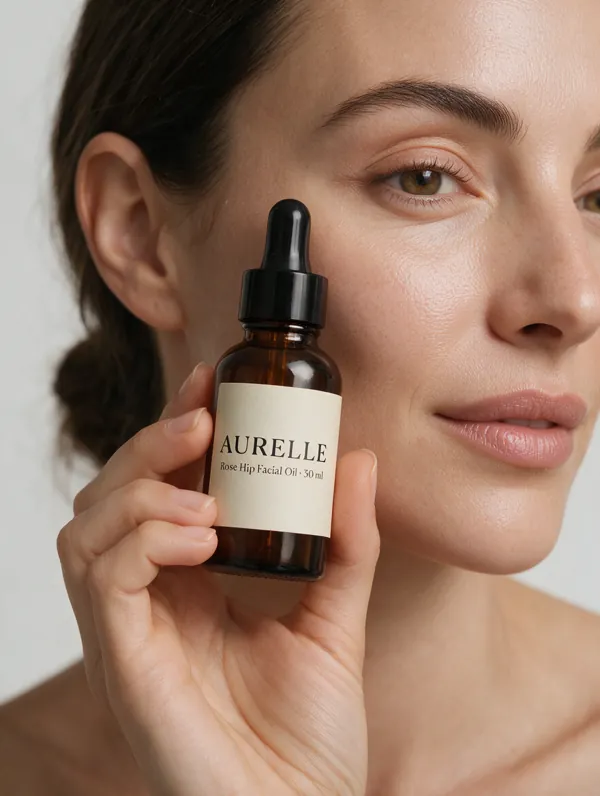
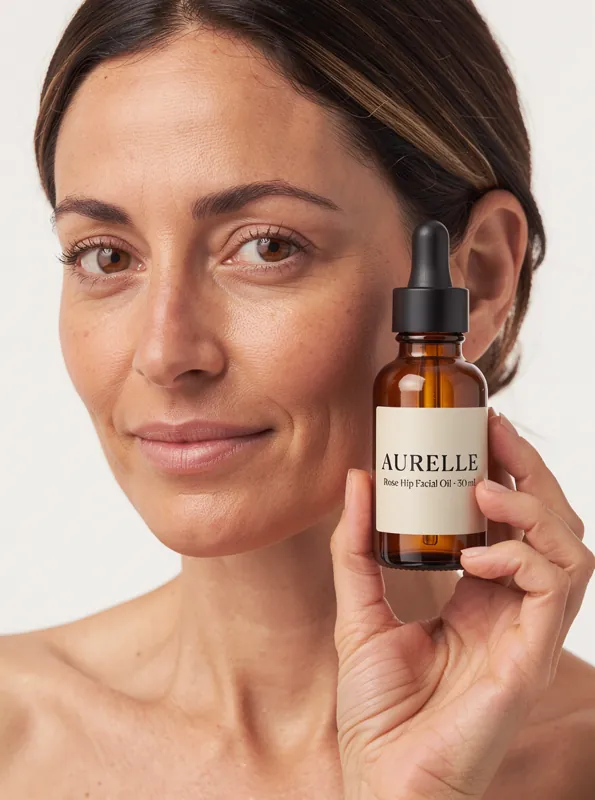
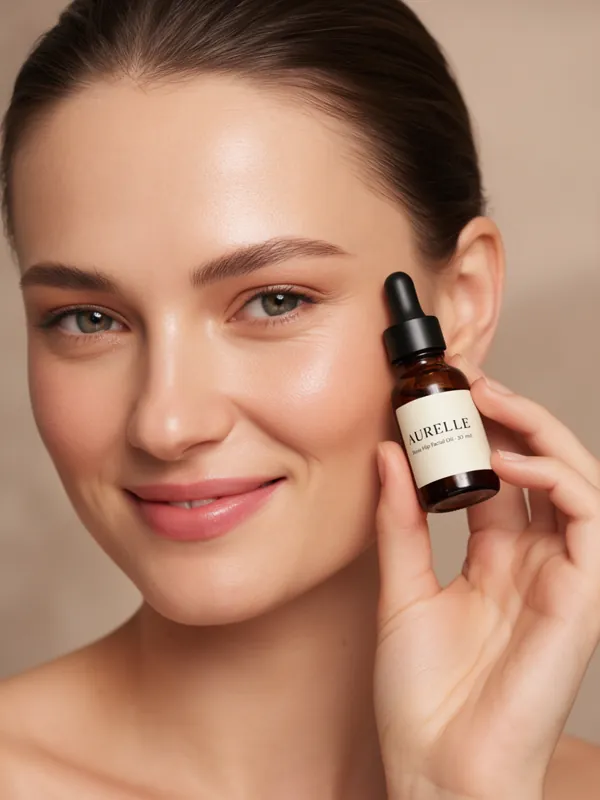
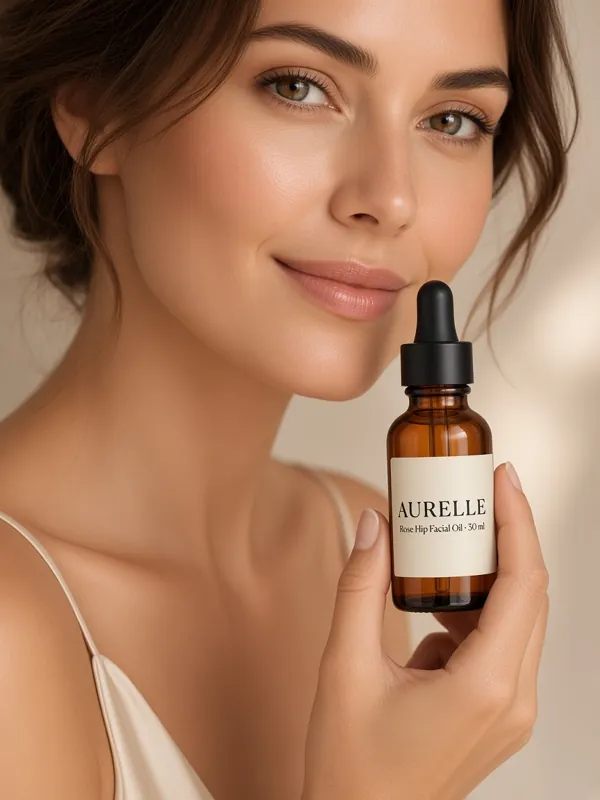
GPT Image 2.5 is our pick, with a BiBi Score of 80, but not because it looks better. Our four blind graders could not agree on which model's photos looked best, so on looks the six are a tie. What we can check is whether your product survives: GPT Image 2.5, Seedream 5.0 Pro and Grok Image 2.0 changed nothing on all 8 shots, while Nano Banana 2.1 and Ideogram 4.5 altered details and Ideogram once moved the phone's camera. Among those three, GPT Image 2.5 costs least, at 0.5 credits per shot.
BiBi Scores
One attempt per model per shot. Looks are graded blind; reliability is whether the product came out unchanged.
| # | Model | BiBi Score | Looks (blind panel) | Reliability | Value |
|---|---|---|---|---|---|
| 1 | GPT Image 2.5 | 64range 55–73 · tied with the best | 100 | 1000.5 credits per usable shot | |
| 2 | Seedream 5.0 Pro | 66range 58–73 · tied with the best | 100 | 601.25 credits per usable shot | |
| 3 | Nano Banana 2.1 | 66range 58–74 · tied with the best | 81 | 521.5 credits per usable shot | |
| 4 | Grok Image 2.0 | 63range 53–73 · tied with the best | 100 | 402 credits per usable shot | |
| 5 | FLUX 3 Image | 60range 48–69 · tied with the best | 94 | 402 credits per usable shot | |
| 6 | Ideogram 4.5 | 62range 54–69 · tied with the best | 75 | 342.29 credits per usable shot |
Our graders did not agree on which model's photos looked best (average rank correlation -0.03; one pair ranked the models in almost opposite order). On looks, these six models are a tie that comes down to personal taste. So the order above is decided by what we can check, whether the product stays unchanged, and by price.
BiBi Score = looks 50% + reliability 20% + value 20%, rescaled to 100 (ease of use, the other 10%, is not scored while every model runs on the same platform). Looks: four graders scored every output 1–10 without seeing model names; each grader's scores are adjusted for how strict or generous they were, and the range shows where 90% of resamples of graders and briefs land. Reliability: our own pass/fail checks against the brief. Value: cost per usable output; the cheapest model gets 100 and every doubling of cost loses 30. How scoring works.
Did the product survive?
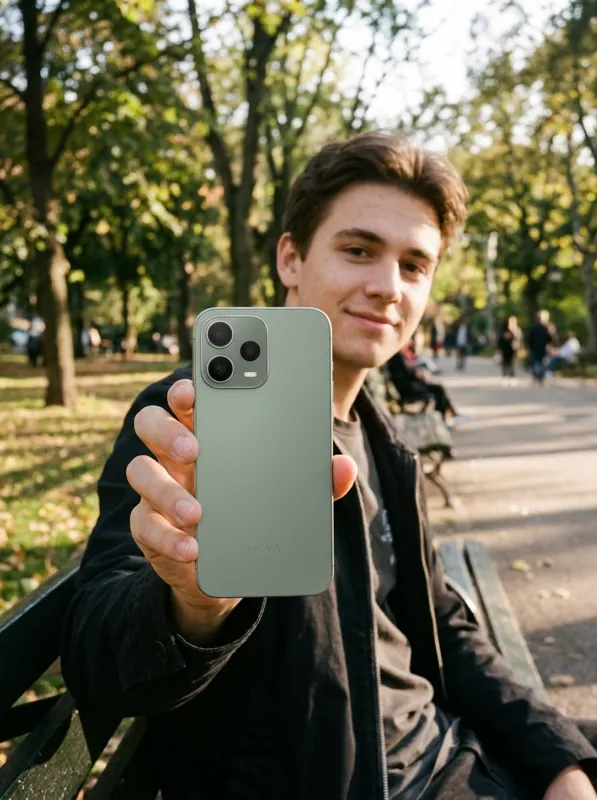
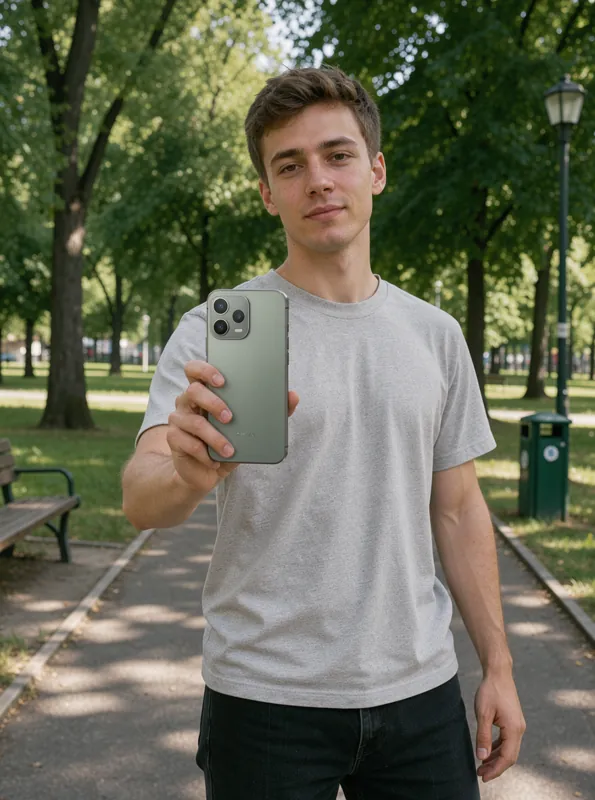
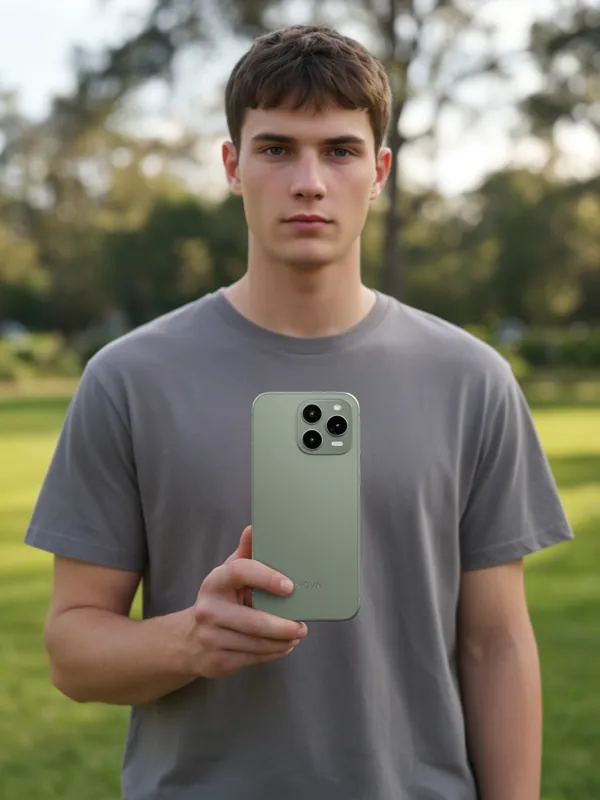
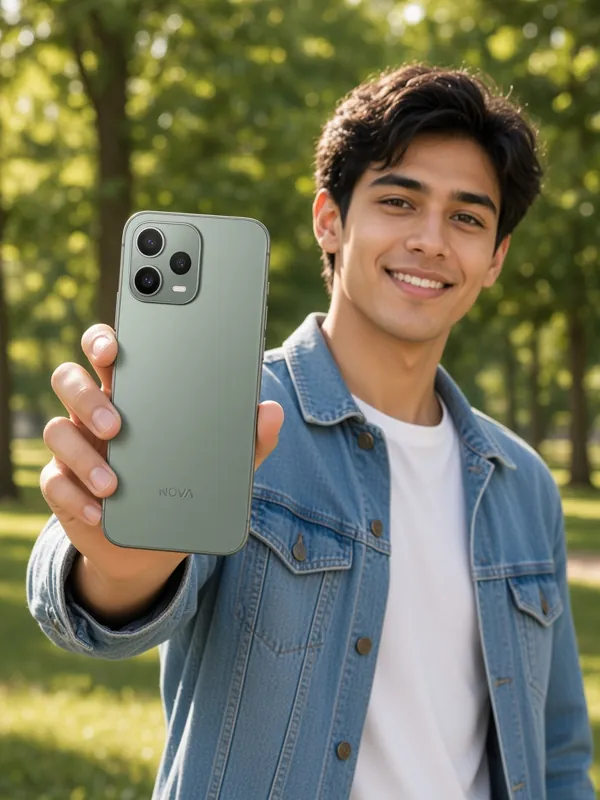
A shot is usable when the product's shape, colours and main text match the reference; small drifts are listed but still count as usable.
| Model | Product kept intact | Shots with no changes at all | Credits per shot | Credits per usable shot |
|---|---|---|---|---|
| GPT Image 2.5OpenAI · Sunburst, medium quality, 1K | 8 / 8 | 8 / 8 | 0.5 | 0.5 |
| Seedream 5.0 ProByteDance · 1K | 8 / 8 | 8 / 8 | 1.25 | 1.25 |
| Grok Image 2.0xAI · medium quality, 1K | 8 / 8 | 8 / 8 | 2 | 2 |
| FLUX 3 ImageBlack Forest Labs · 1K | 8 / 8 | 7 / 8 | 2 | 2 |
| Nano Banana 2.1Google · 1K | 8 / 8 | 5 / 8 | 1.5 | 1.5 |
| Ideogram 4.5Ideogram · medium quality, magic prompt off, 1K | 7 / 8 | 5 / 8 | 2 | 2.29 |
| Recraft V4.1Recraft | Doesn't take a reference image on Higgsfield; not tested | |||
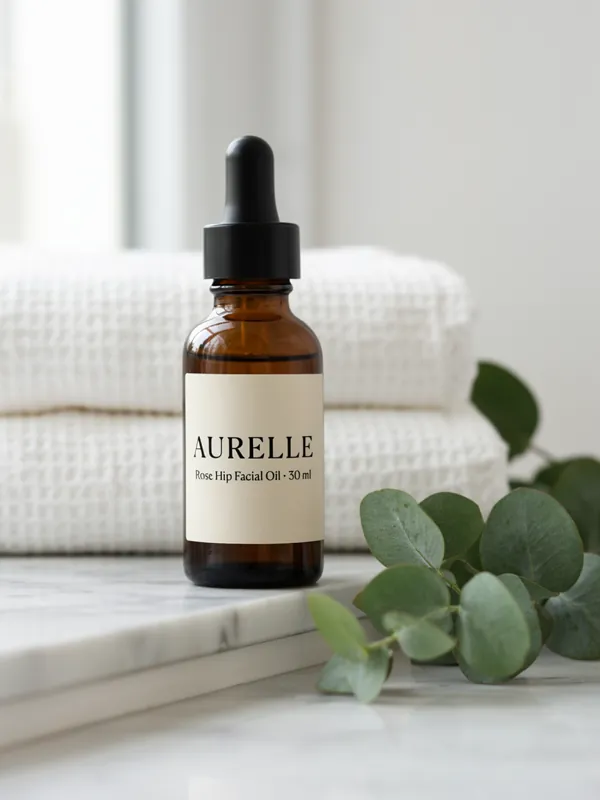
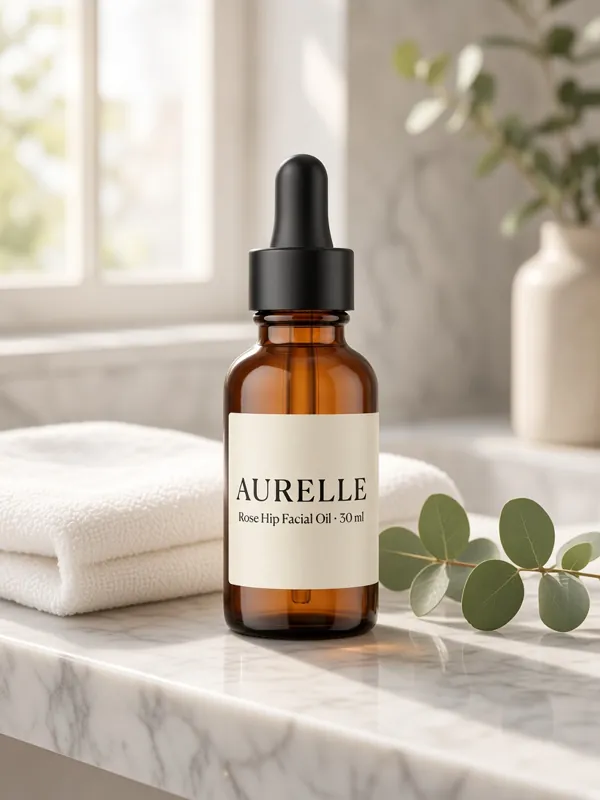
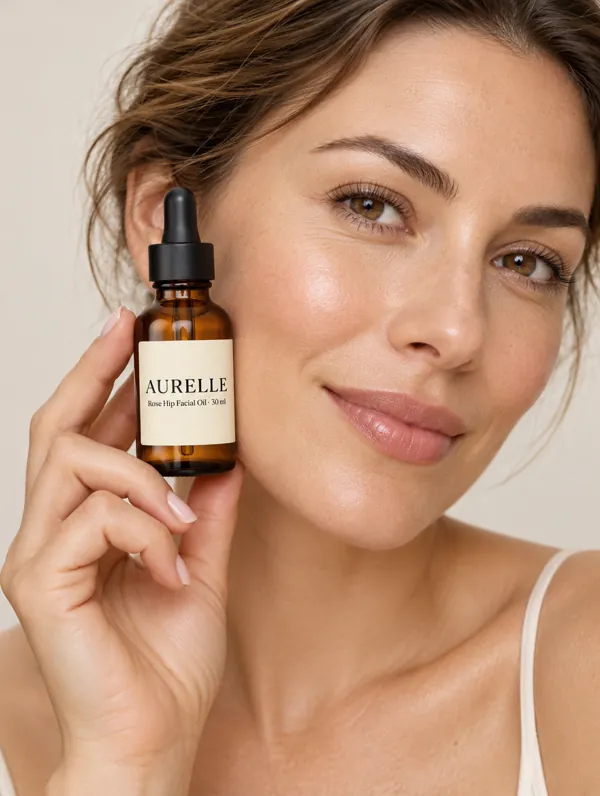
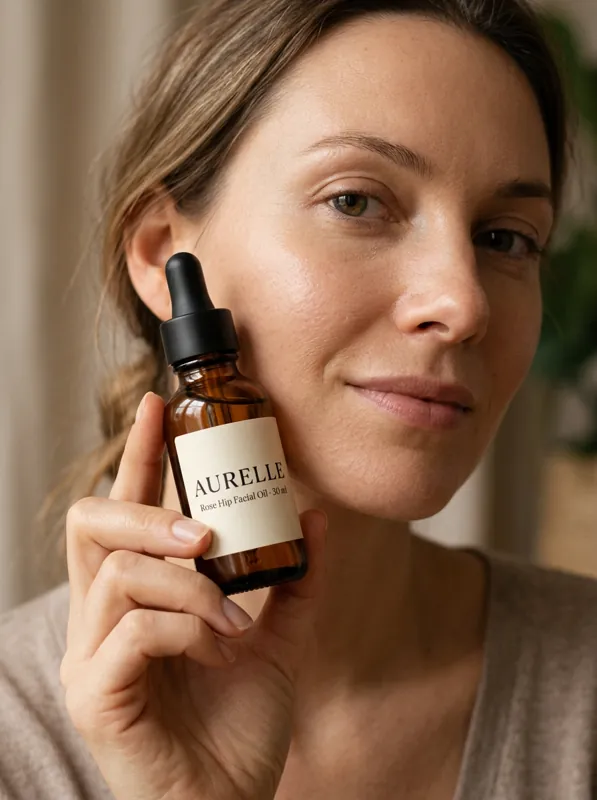
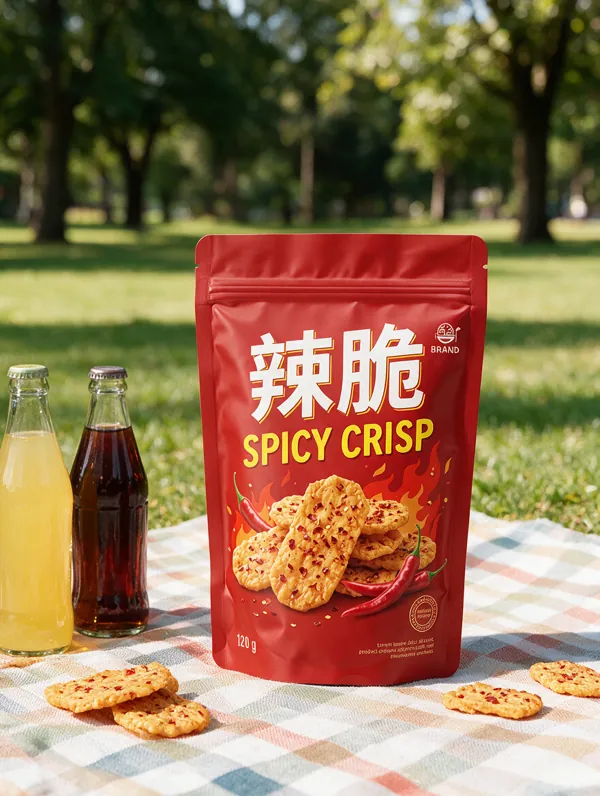
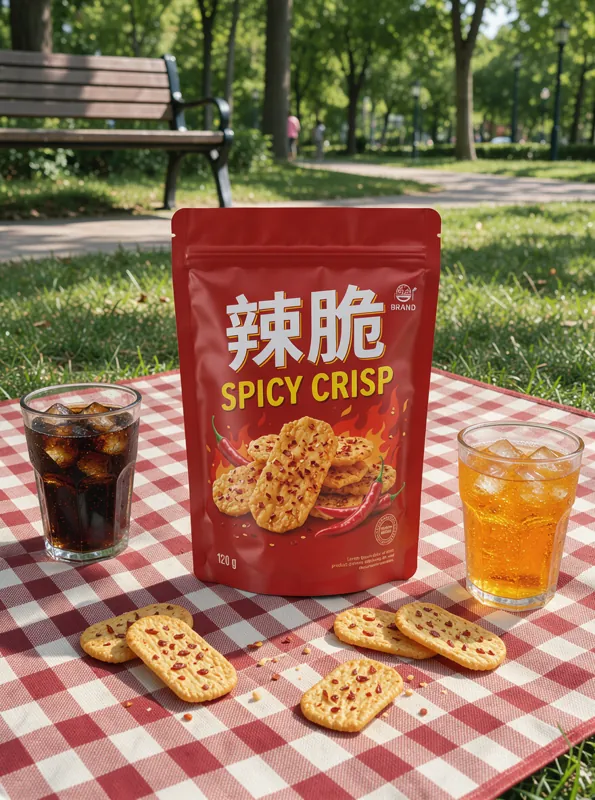
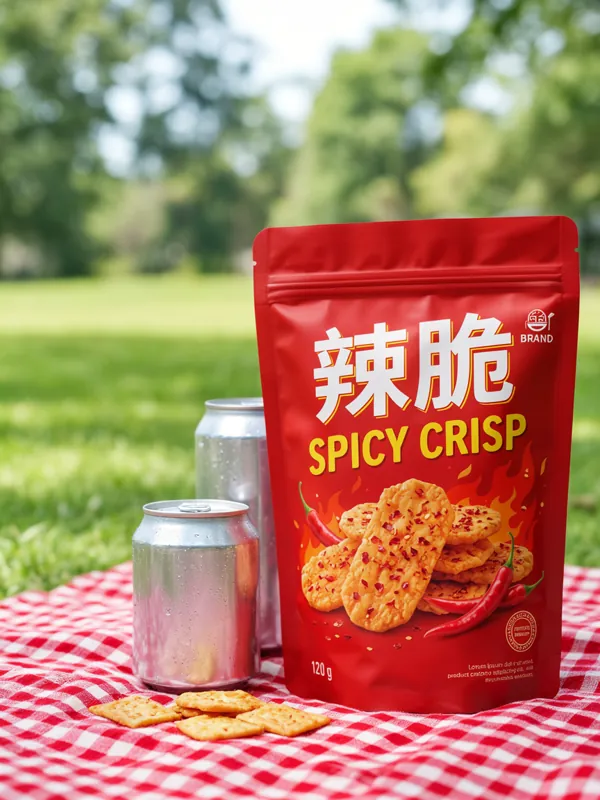
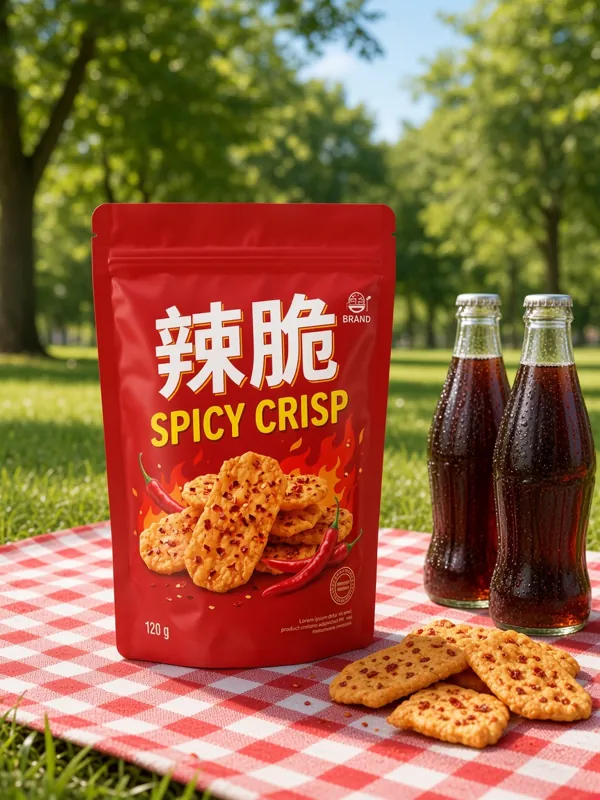
All 48 shots
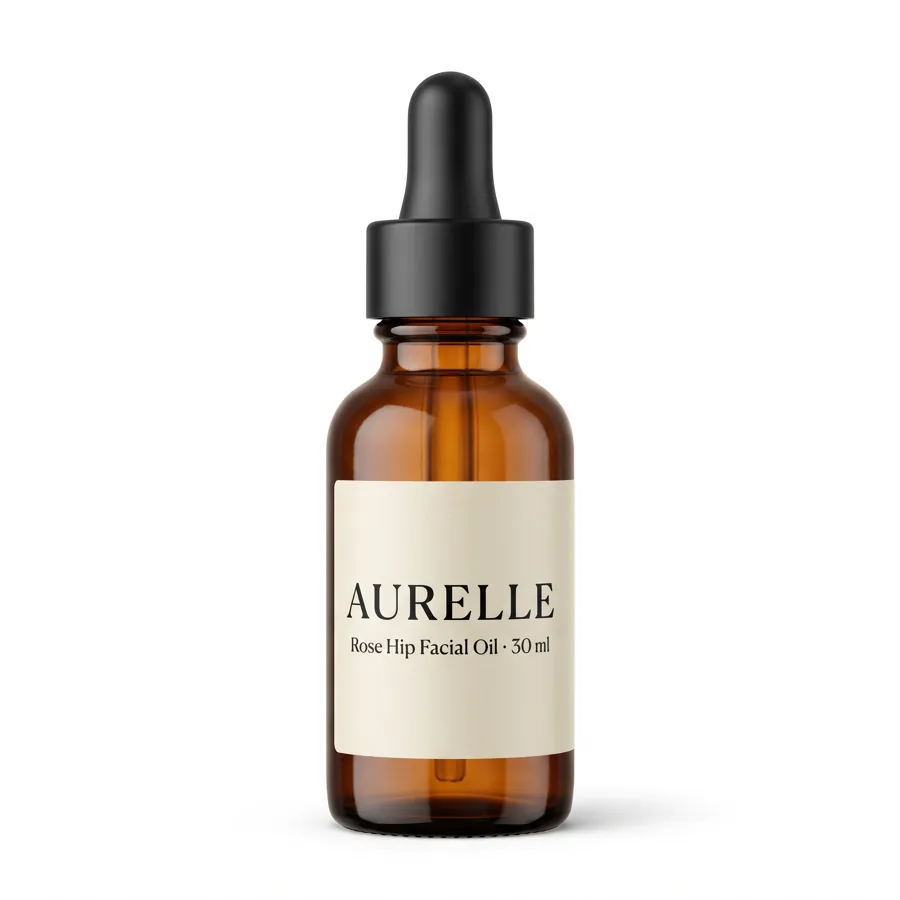
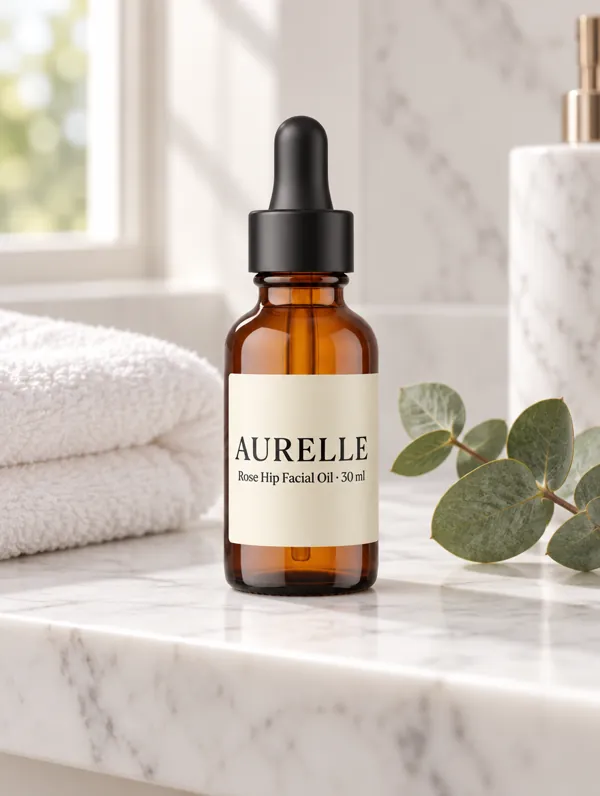
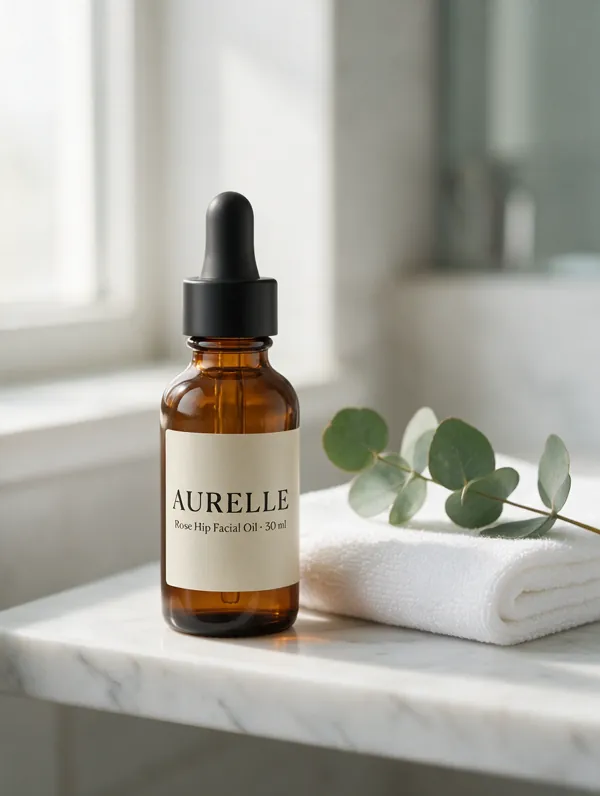
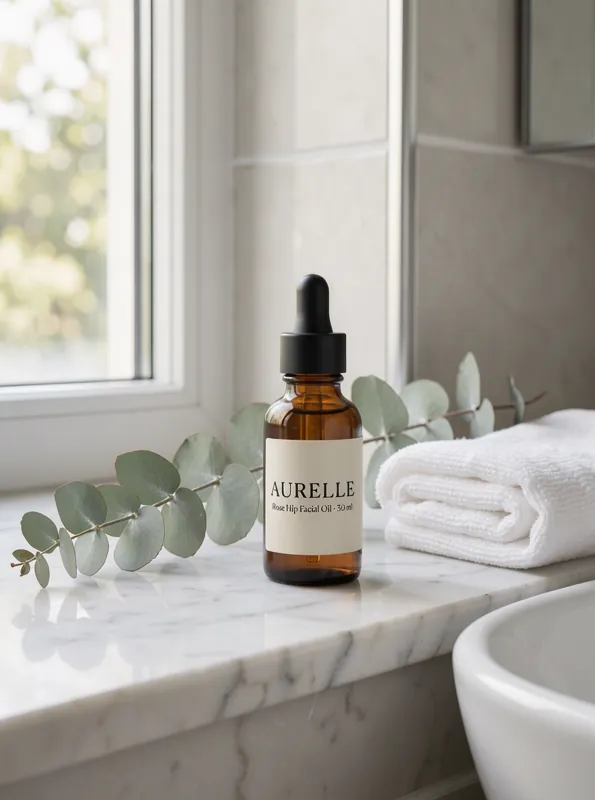
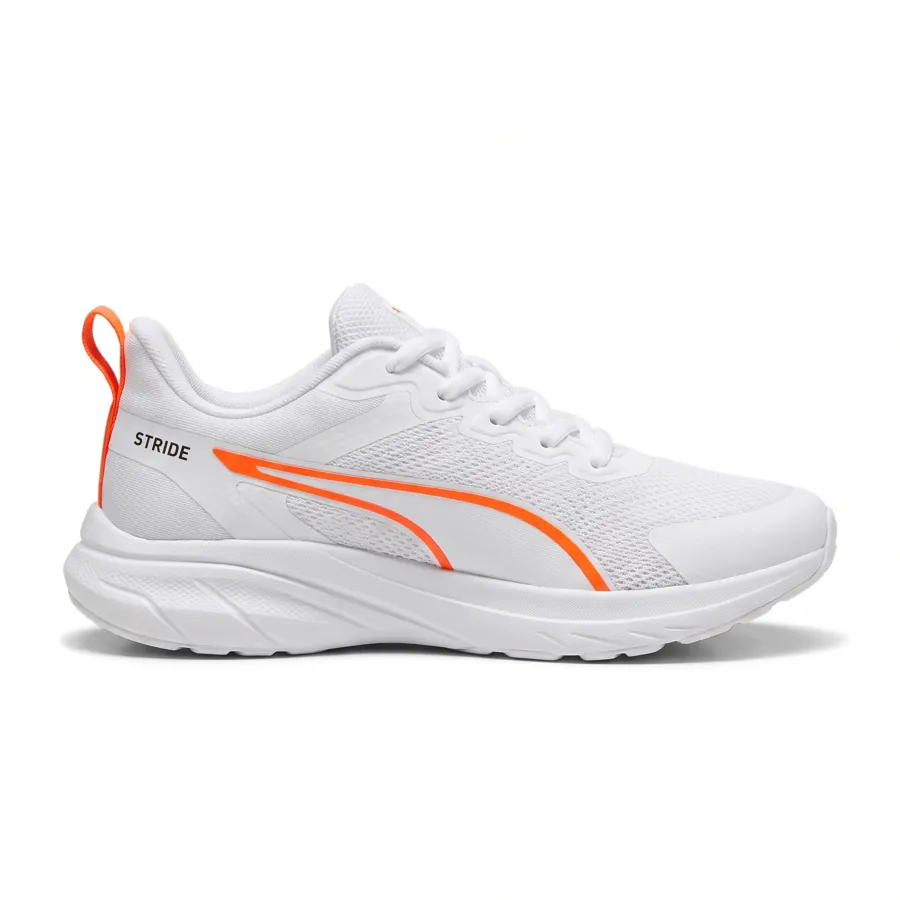
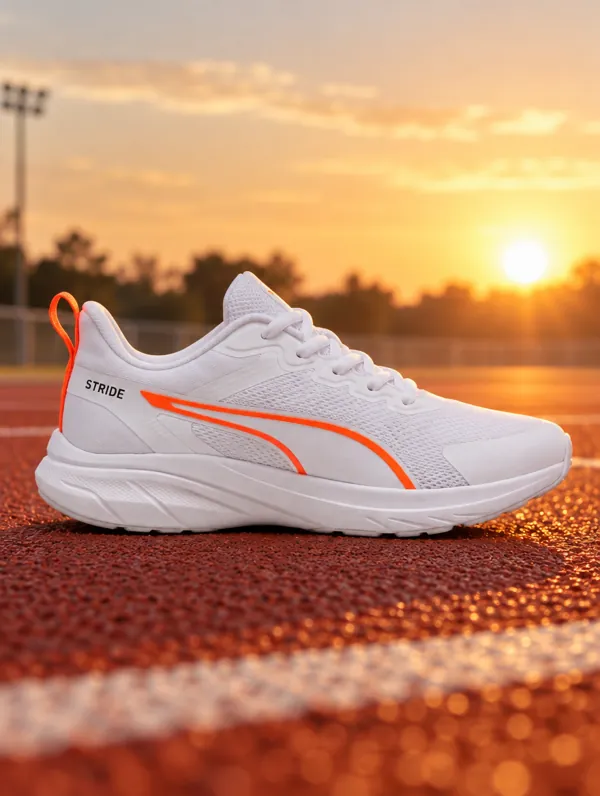
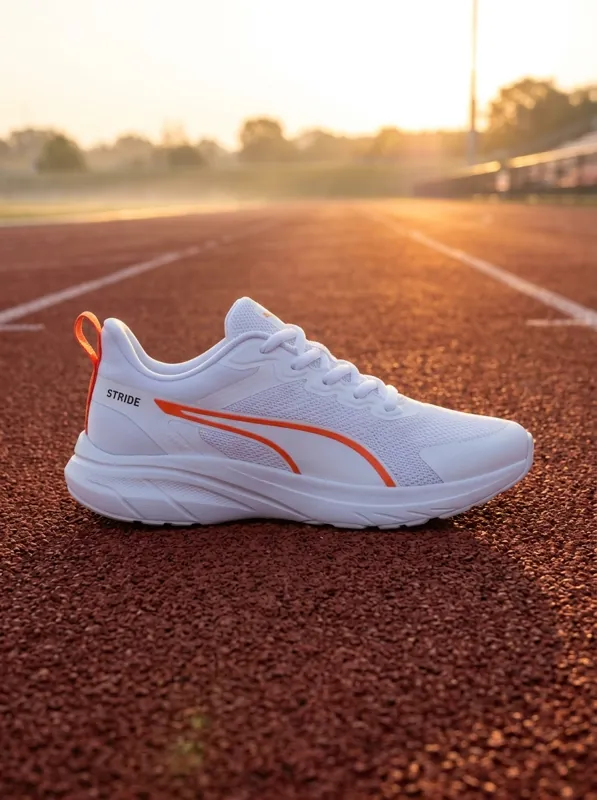
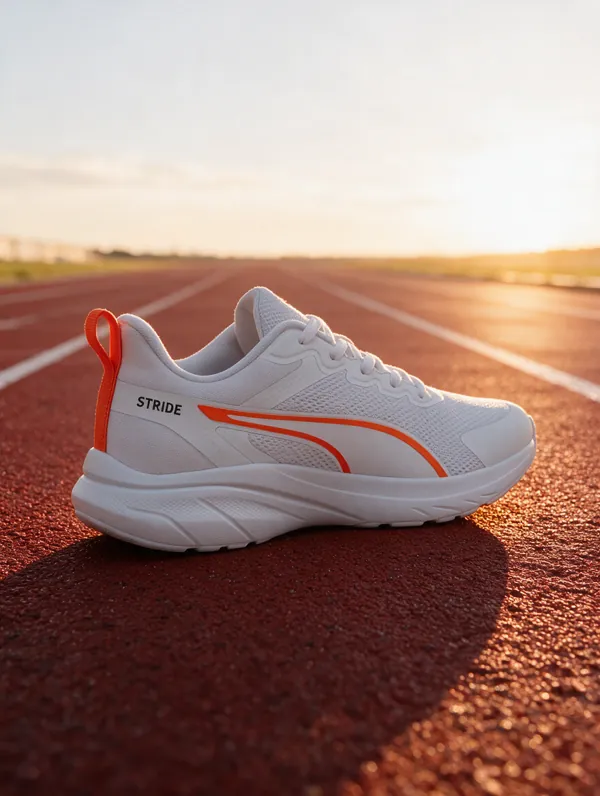
Each row starts with the reference photo every model received. Outputs are unedited.
Facial oil bottle: in a scene

Facial oil bottle: with a person
Smartphone: in a scene
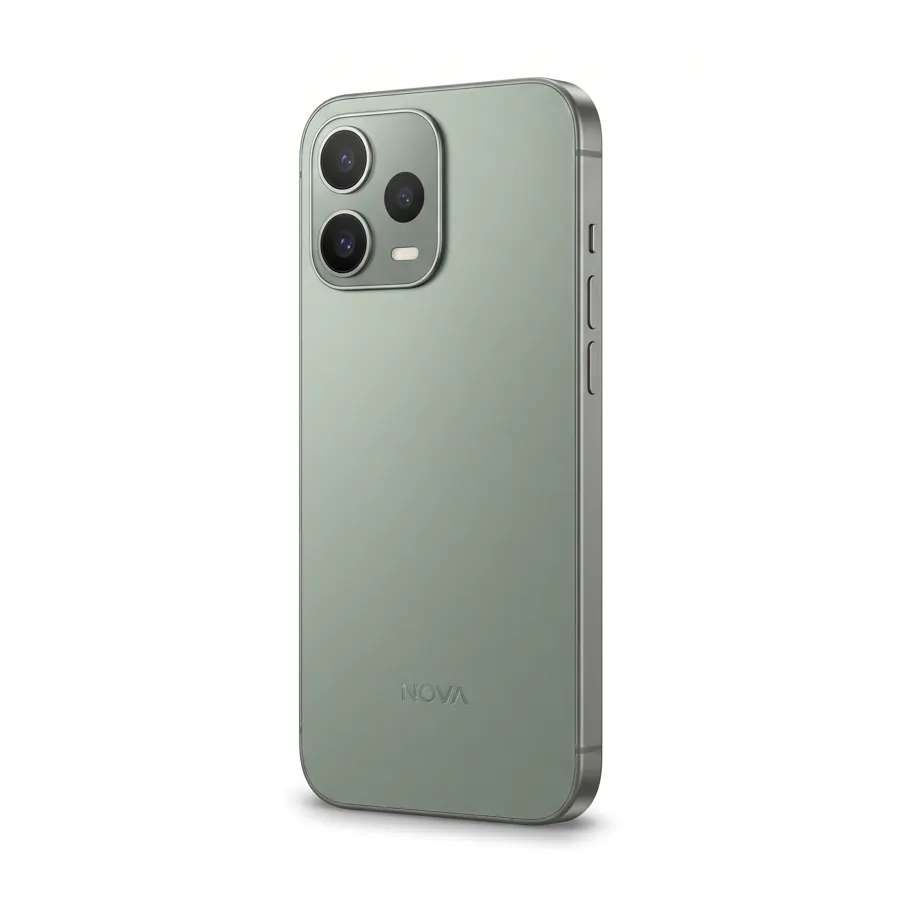
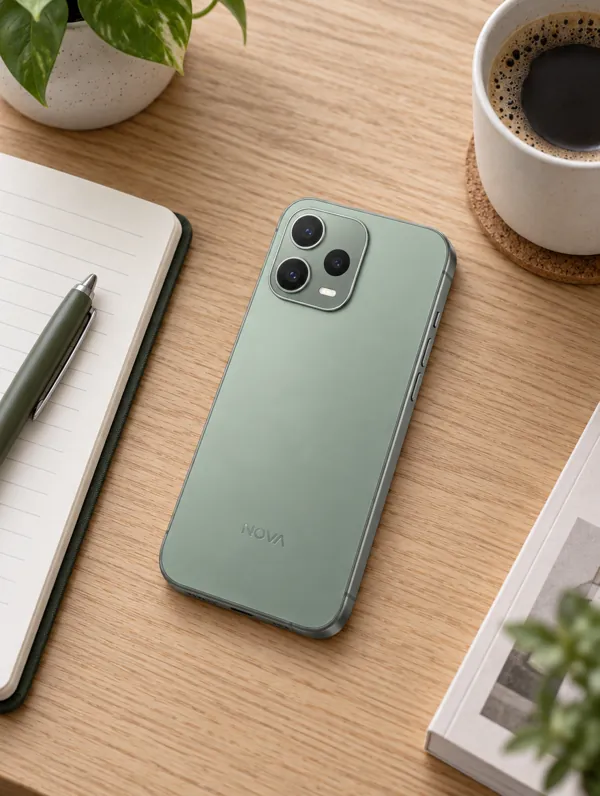
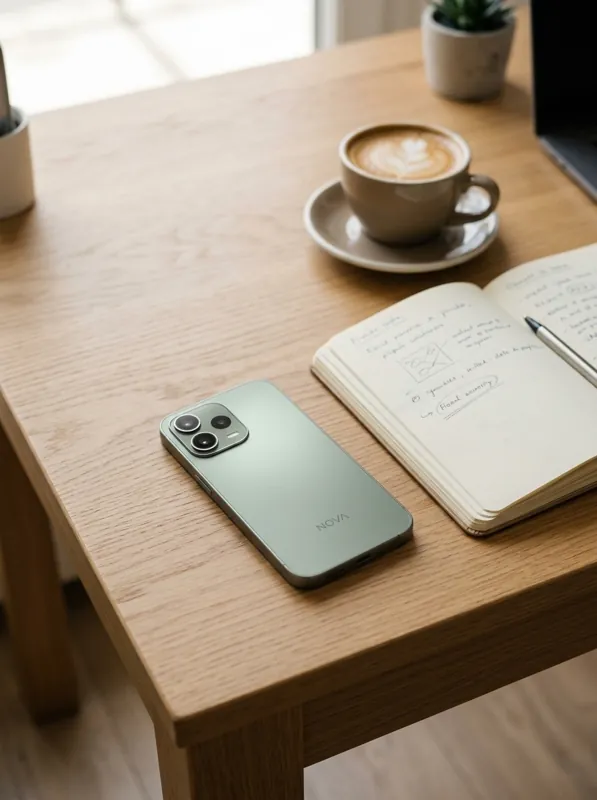
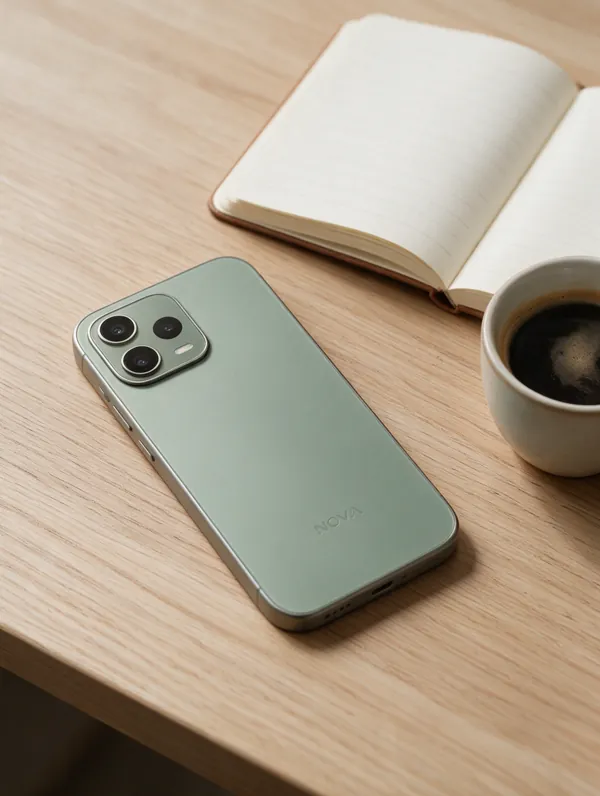
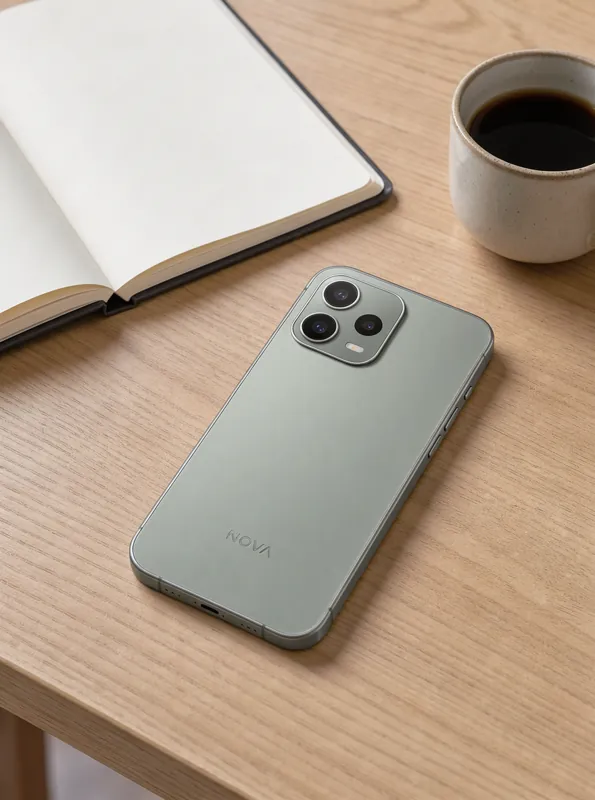
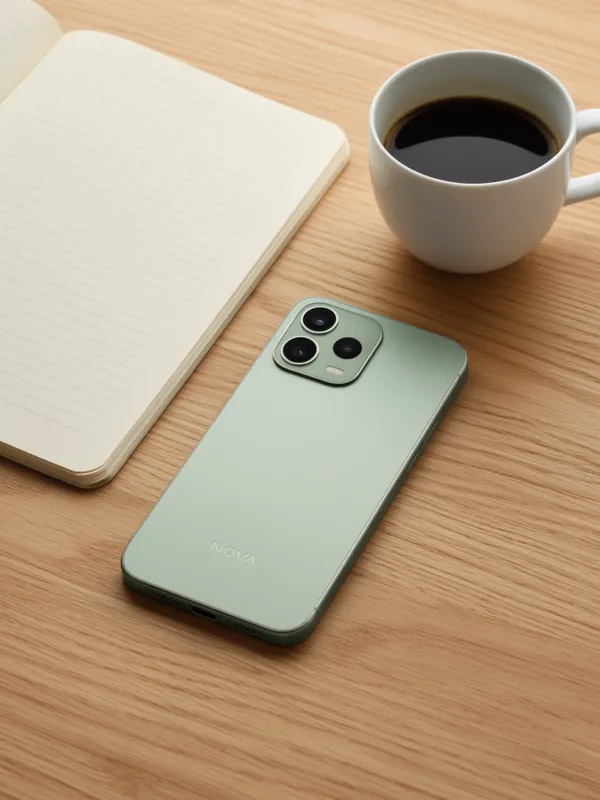
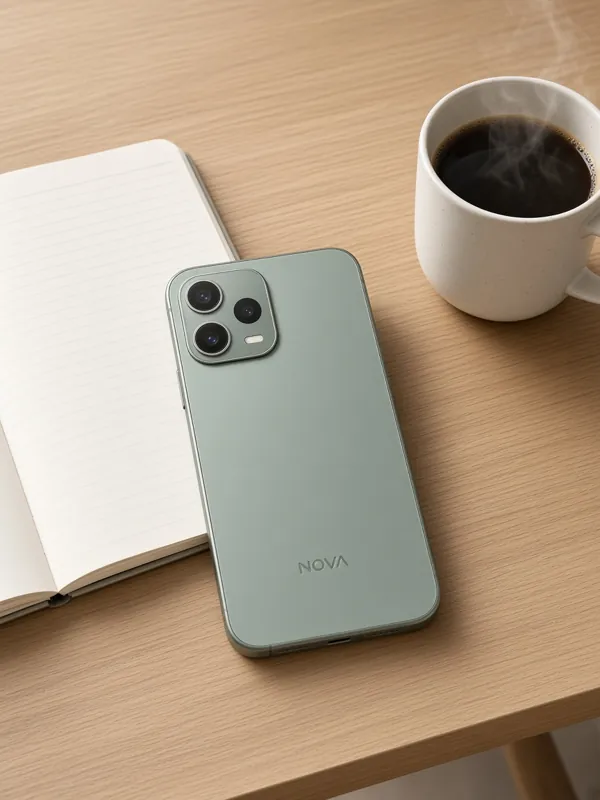
Smartphone: with a person
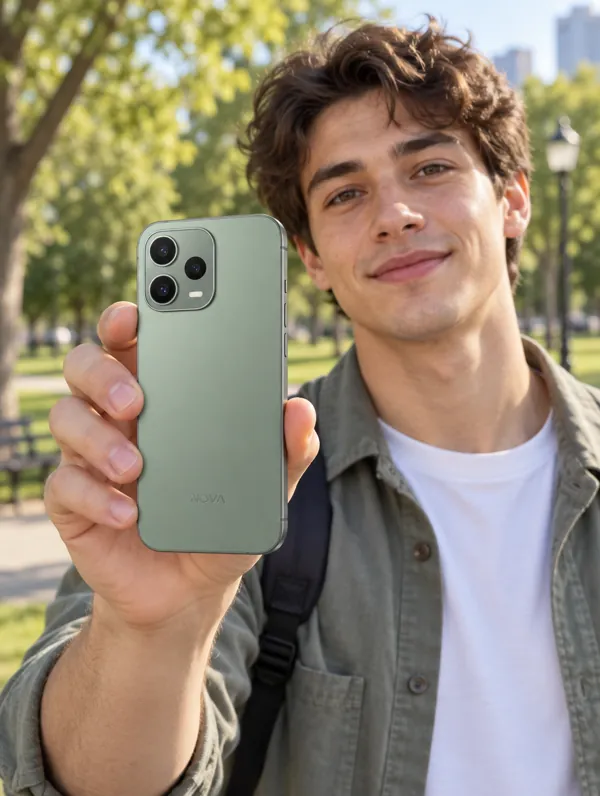

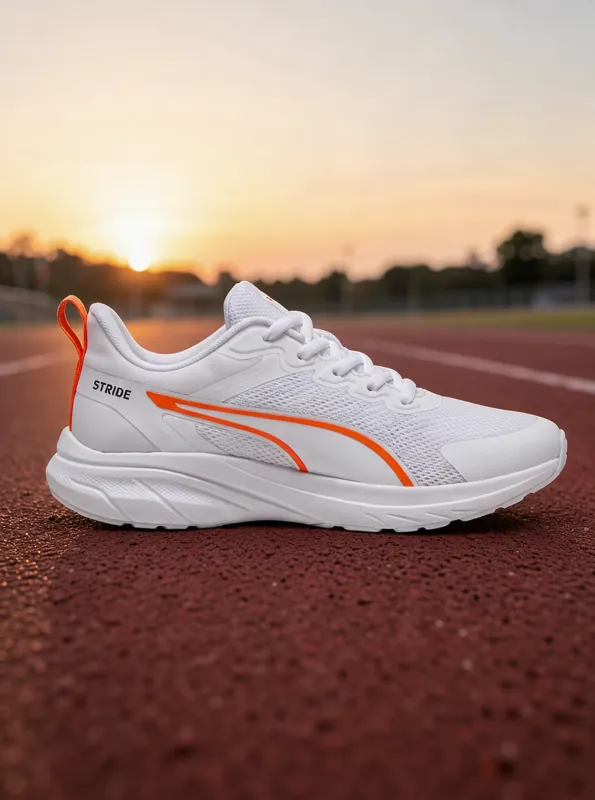
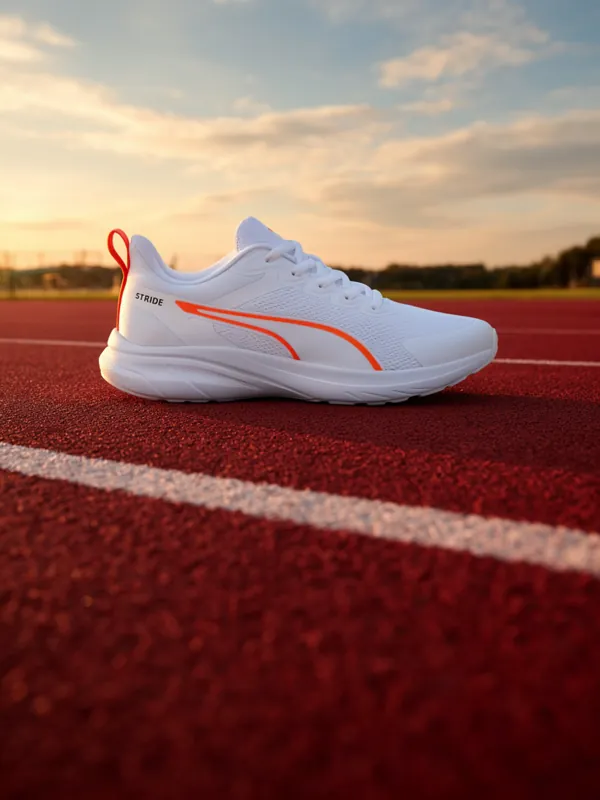
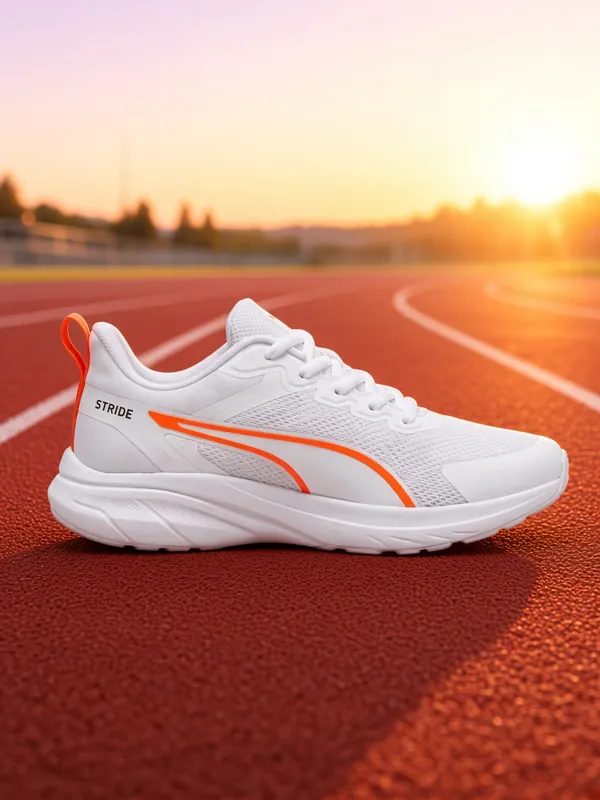
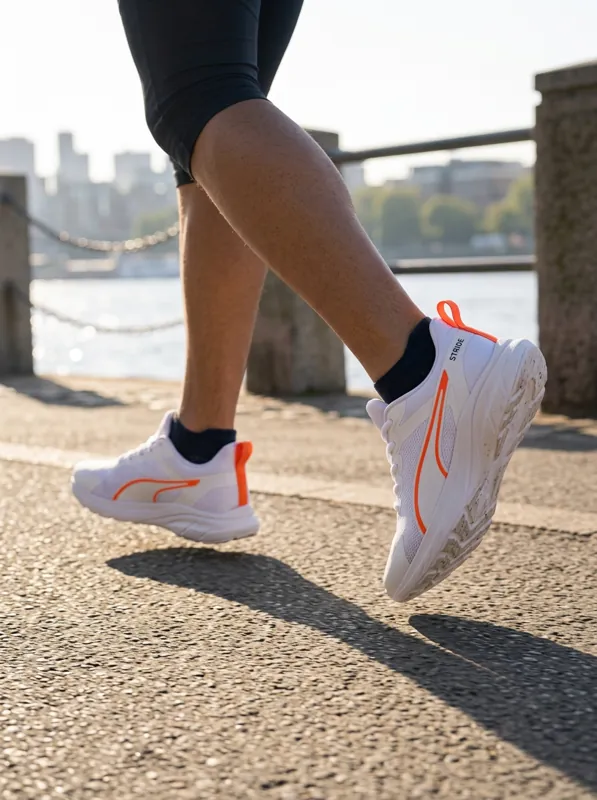
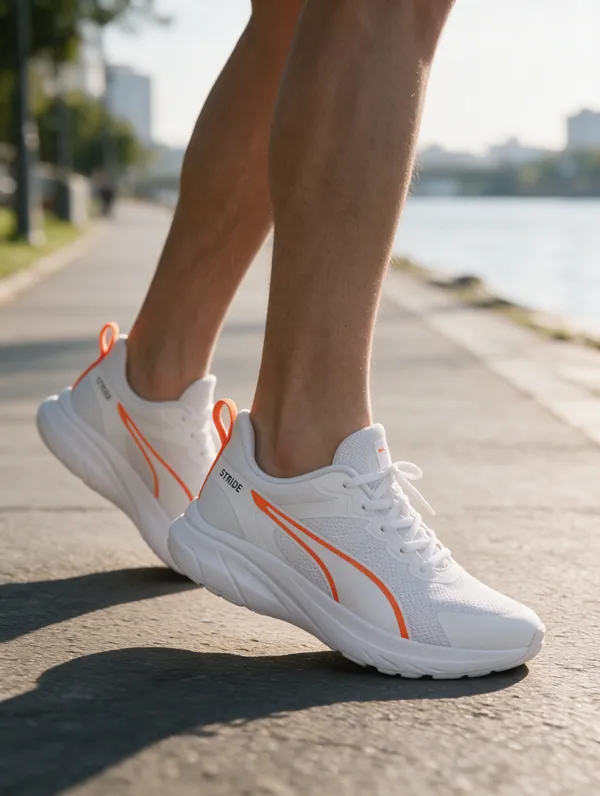
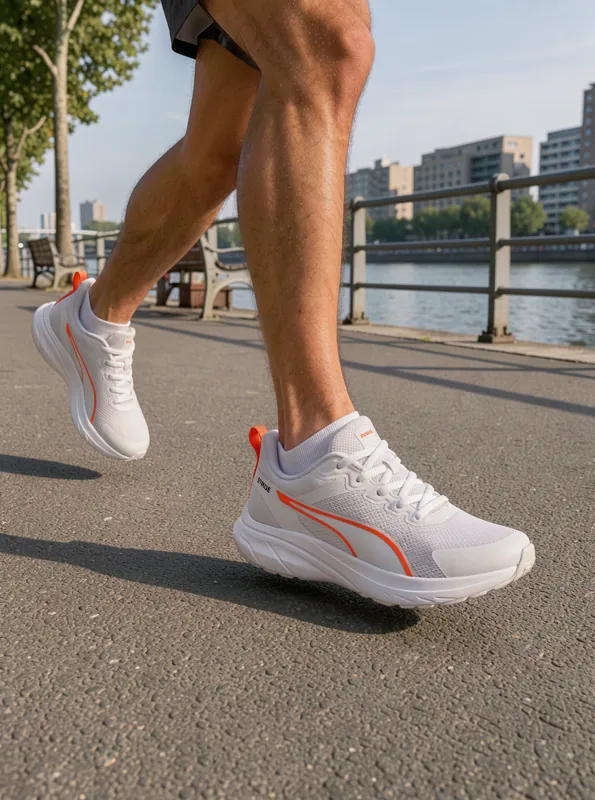
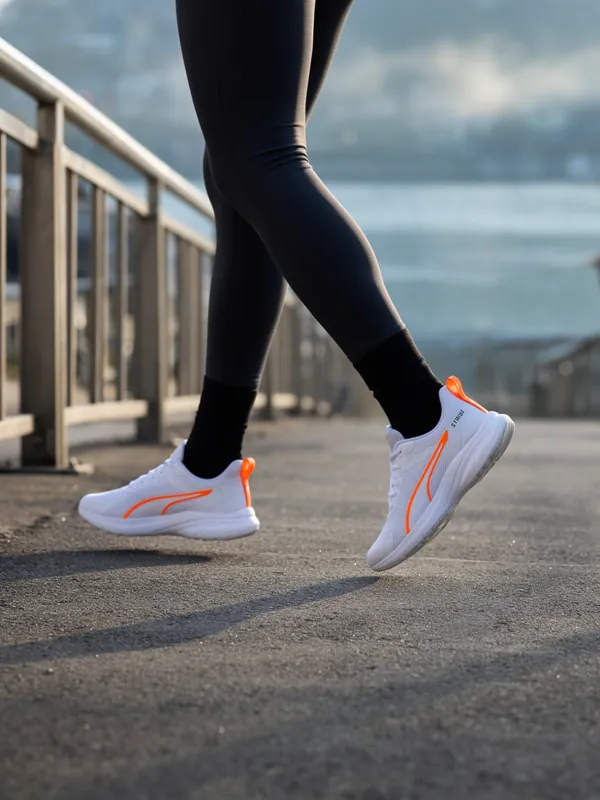
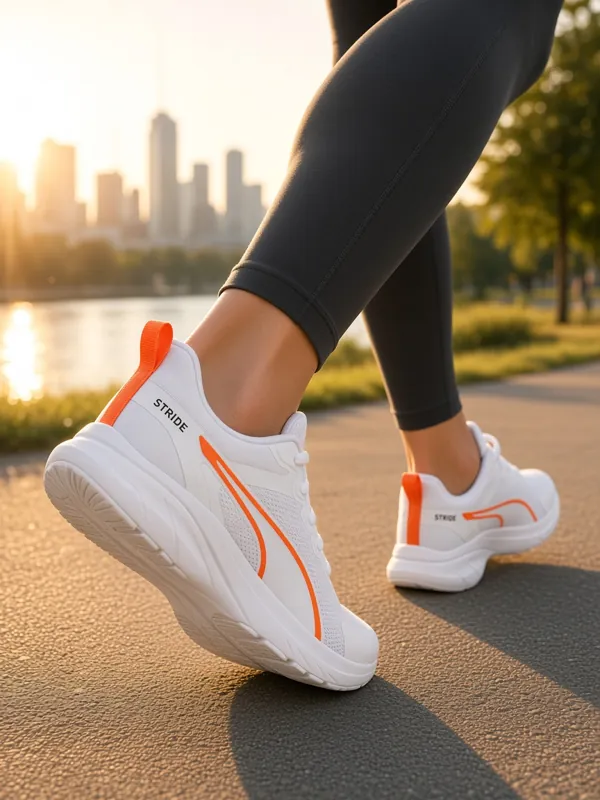
Running shoe: in a scene
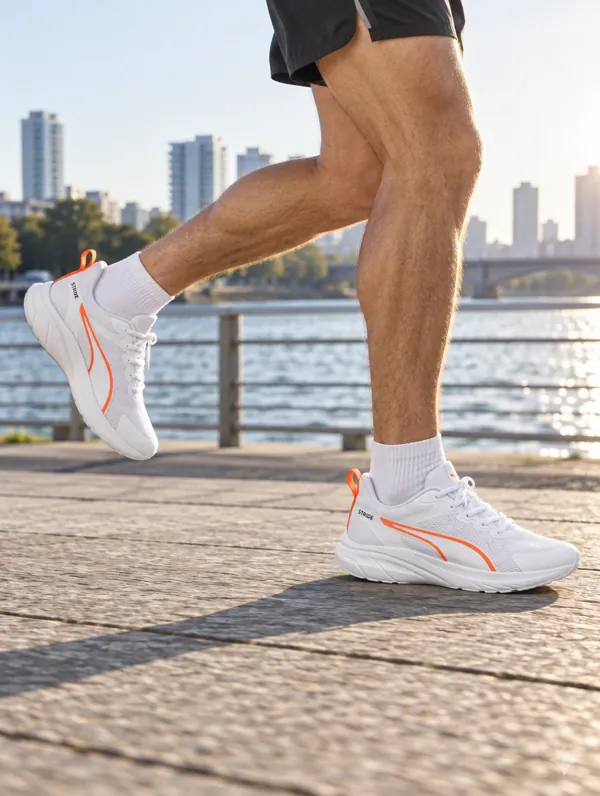
Running shoe: with a person
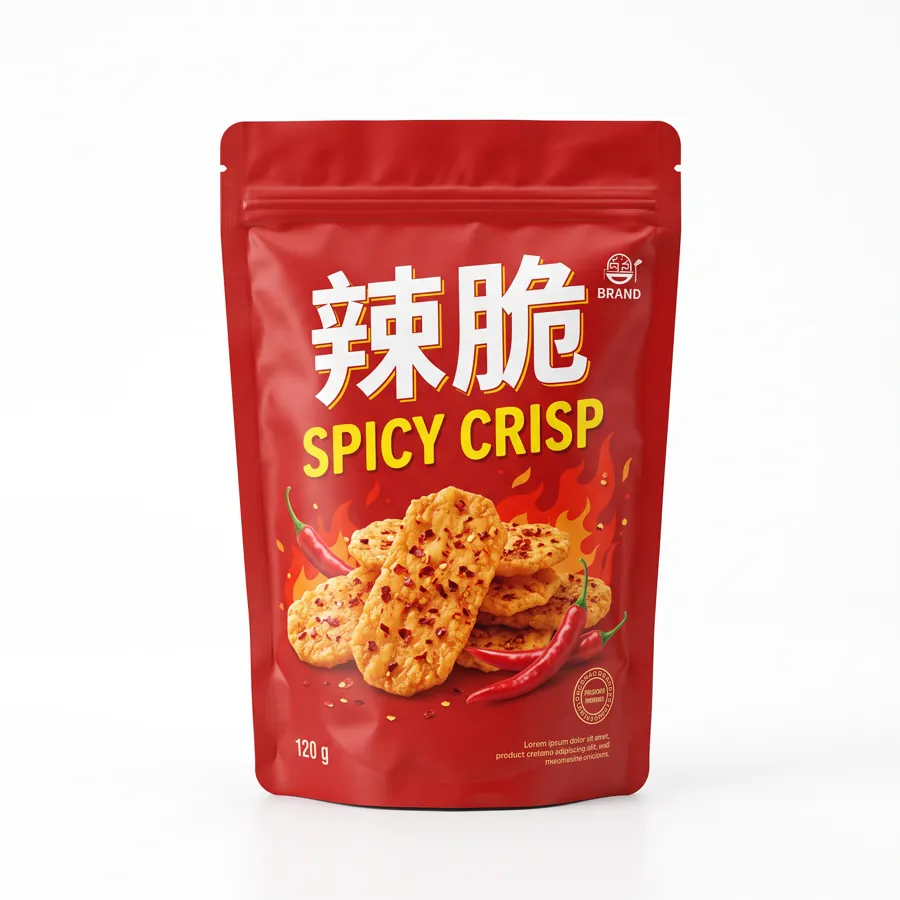
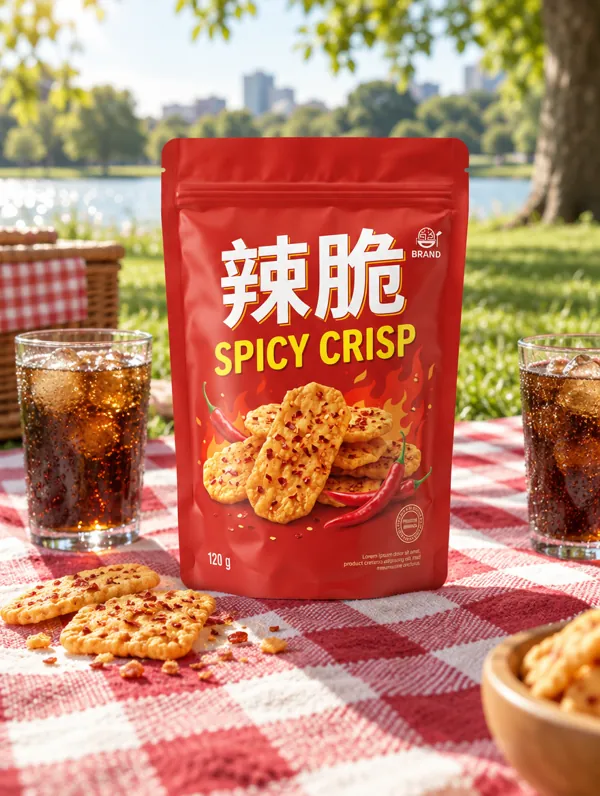
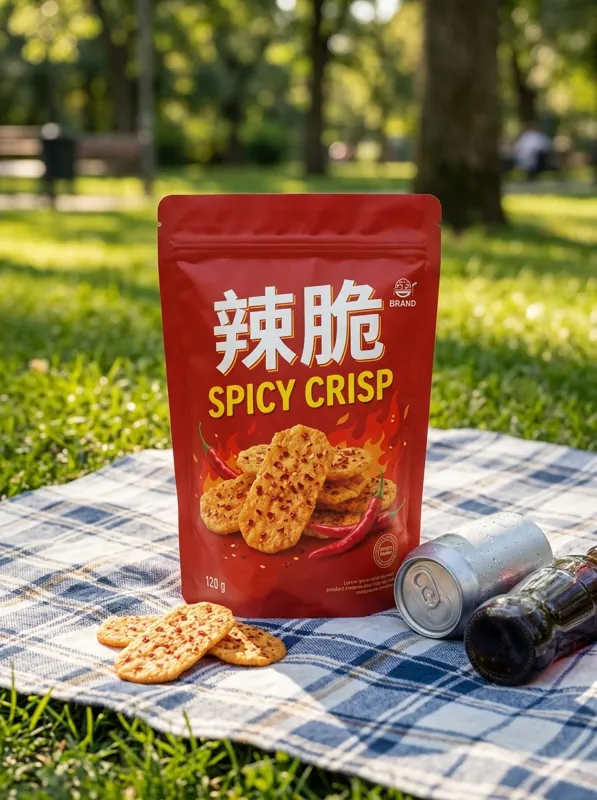
Snack bag: in a scene
Snack bag: with a person

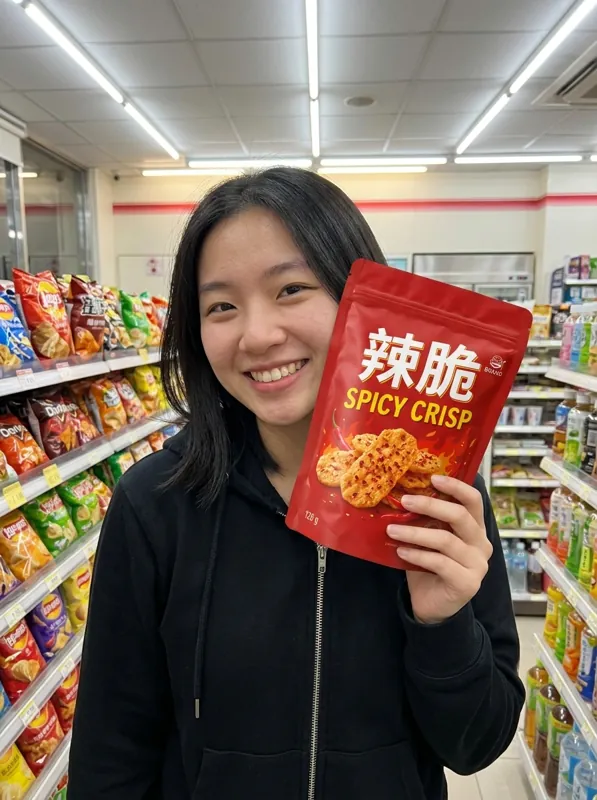
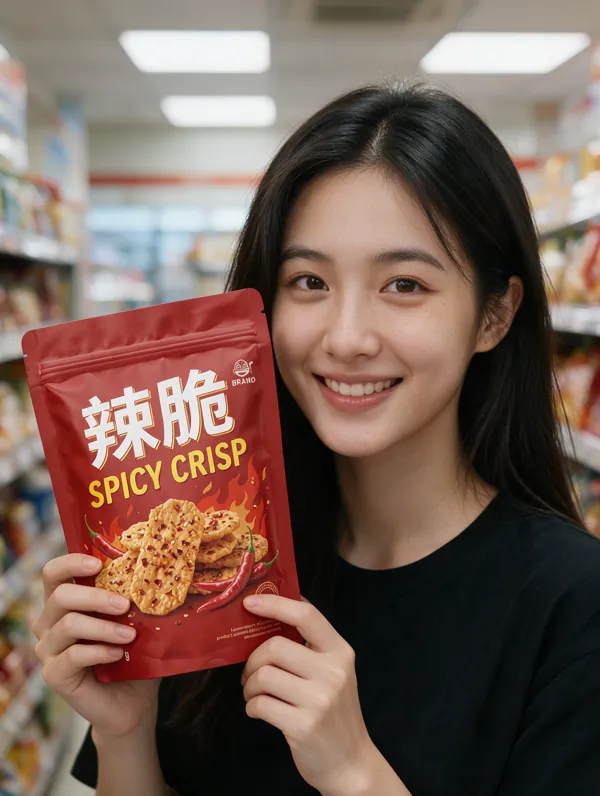
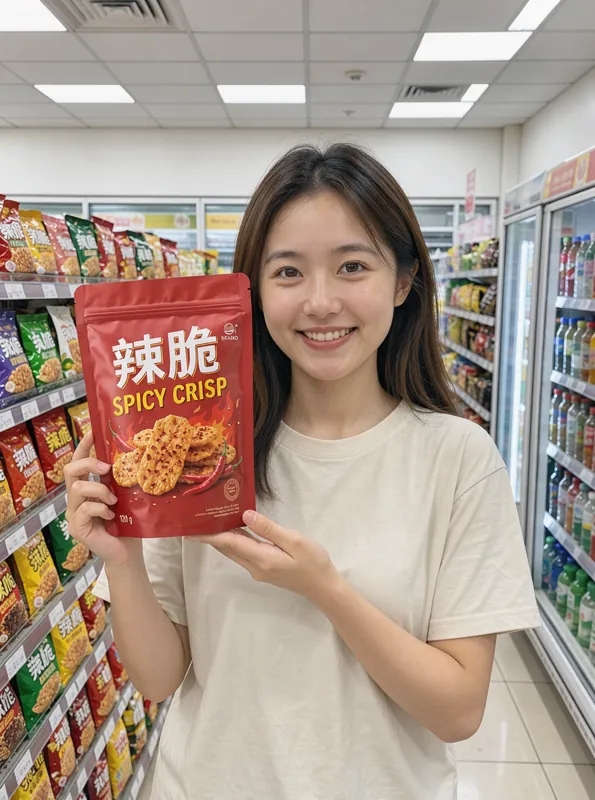


How we tested
Four products from our Reference Kit: a facial oil bottle with a printed label, a smartphone with a wordmark and a distinctive camera module, a running shoe with a logo, and a snack bag with Chinese and English text. Each model received the same clean product photo as a reference, plus the same prompt: one shot placing the product in a scene, one with a person holding or wearing it.
All models ran on Higgsfield on 31 Oct 2026 at about 1K, 3:4. We compared every output against the reference for shape, colour, logo and every word on the label.
Four people on our team then graded all 48 shots for realism and for whether they'd use the shot in a shop as is, 1 to 10, without seeing model names, each in a different order. Scores are adjusted for each grader's strictness before averaging.